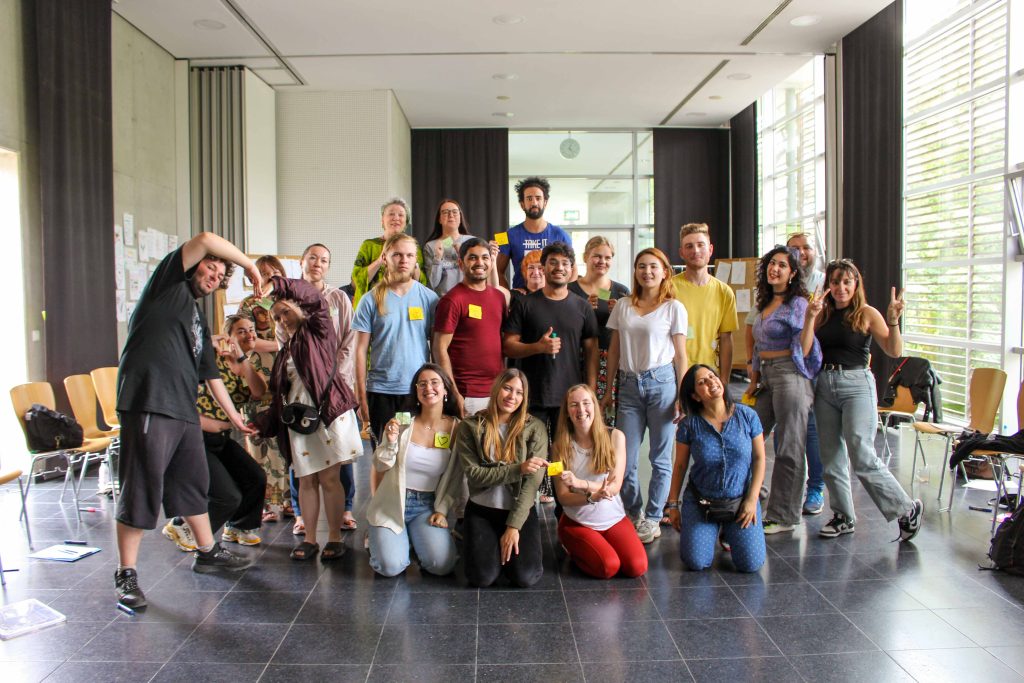
Last summer in Weimar, a group of educators, youth workers, peacebuilders, and community activists gathered for a six-day training course under The Missing Piece: Youth, Peace, and Reconciliation project. This training provided a unique blend of theory and practice, where participants engaged in interactive sessions and hands-on lab work designed to explore innovative peacebuilding methods. Attendees not only deepened their understanding of conflict resolution and reconciliation but also developed tailored strategies to address the specific challenges of their local communities, setting the stage for lasting, transformative change.
Inside the Training Course
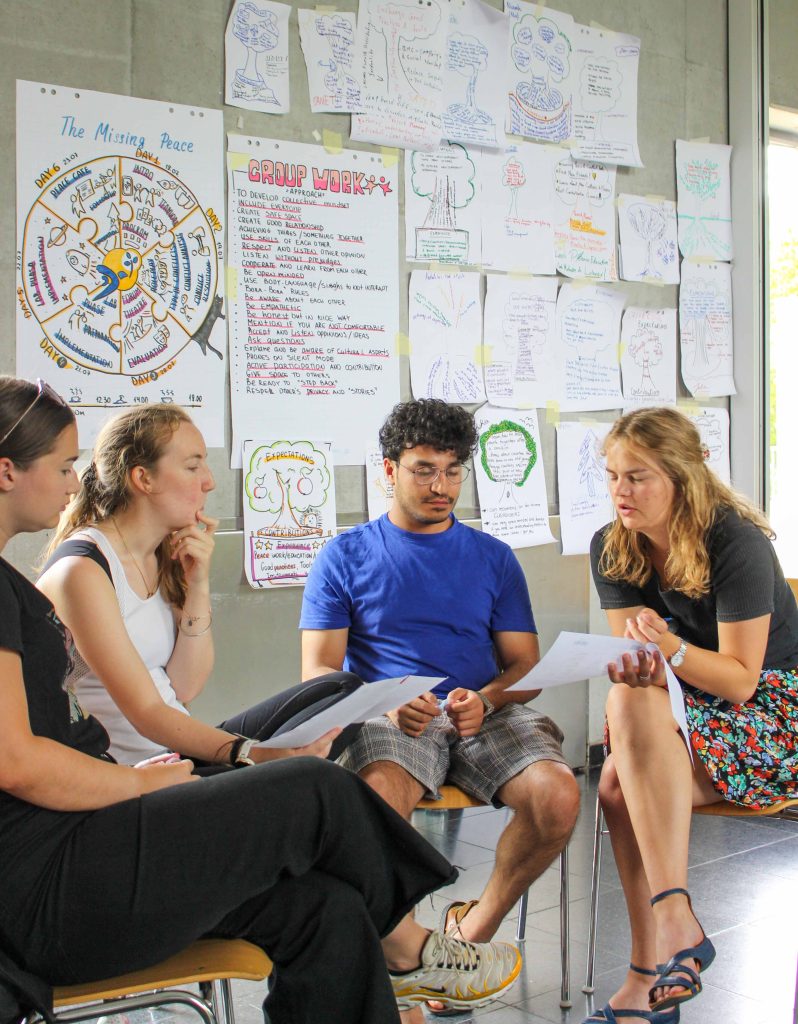
Over six intensive days, the training course was structured into two distinct phases that bridged theory and practice. In the first phase, the focus was on building a solid foundation. Participants engaged in in-depth discussions and interactive sessions that explored the evolving global trends shaping youth participation in peace and reconciliation. This stage provided a thorough examination of key concepts in conflict management and peacebuilding, underscoring the importance of involving local communities and establishing a framework for context-specific initiatives.
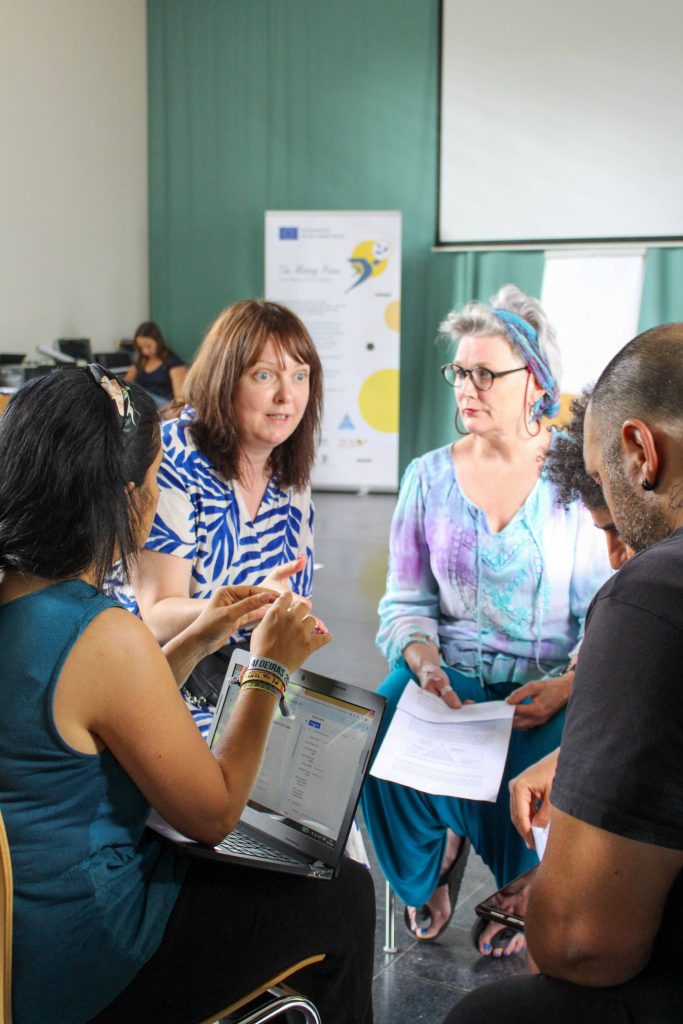
In the second phase, the course transitioned into a practical, hands-on Lab Phase where participants applied their theoretical insights by adapting and customizing the tools to their unique local contexts. During this phase, they exchanged valuable insights and developed targeted strategies to address real-world conflicts, while also crafting specific solutions tailored to the challenges of their local communities. This approach ensured that the knowledge acquired translated into practical, lasting impact.
Looking ahead
The success of the Weimar training course serves as a powerful reminder of the great potential of youth-led peacebuilding. By equipping young people with both the theoretical understanding and practical tools needed for effective conflict resolution, the project is setting the stage for transformative change. As these individuals return to their communities, they carry with them innovative strategies designed to foster reconciliation and build sustainable peace.
Their work is already laying the groundwork for future initiatives, creating a ripple effect that could inspire new projects, forge stronger local networks, and foster broader regional cooperation. With these fresh insights and tailored strategies in hand, participants are well-equipped to tackle the unique challenges in their communities, paving the way for sustainable, positive change that could extend well beyond the immediate context of their local environments.
The activity is cofounded by the European Union through the Erasmus+ Program.