

The project was guided by a detailed management plan that established clear procedures and a robust communication system among partners and participants, ensuring seamless collaboration and reporting. High-quality standards were maintained through a structured Evaluation and Quality Assurance Plan, supported by digital meetings when necessary. Partners monitored activities to ensure objectives were met, coordinated local implementations, and gathered feedback through evaluation forms, which were reviewed in meetings to inform future actions. Eco-friendly waste disposal practices, such as recycling, were encouraged with minimal cost impact. Additionally, a quarterly Financial Management System was implemented by the coordinator to track and compare costs with the budget, providing guidance to partners and freeing up funds to support green travel initiatives.
The second work package focused on analyzing key aspects of youth work and peacebuilding across partner countries. It examined profiles of youth workers, strategies at national and EU levels, training opportunities, compliance with international policies, and the needs of post-conflict communities. A Comparative Report and six National Indexes were produced, providing valuable insights into non-formal education (NfE) and youth work (YW) in peace and reconciliation (P&R). The kick-off meeting in Ireland included a study visit to the Glencree Center, fostering capacity building and understanding of innovative NfE methodologies.
The results were shared via an online portal featuring an interactive map of peacebuilding initiatives and a tool bank of NfE exercises, ensuring accessibility for the P&R and YW sectors. Monitoring metrics included surveys and focus groups, with over 50 participants in each category, and the platform garnered over 1,000 views during testing. Dissemination activities ensured widespread reach, with reports, blogs, and social media posts summarizing project findings and stakeholder engagement.

This work package focused on addressing the needs of youth workers and NGOs identified in WP2, emphasizing the intersection of youth work, peacebuilding, and non-formal education (NfE). Through the development of an Educational Pack and the piloting of capacity-building programs, WP3 aimed to equip youth leaders and educators with the tools to promote peace and reconciliation within their communities.
The Educational Pack combined face-to-face and blended learning modules, enhancing knowledge transfer in peacebuilding. Key activities included the Summer Peace & Reconciliation Camp in Lithuania and the Winter Peace & Reconciliation Academy in Germany, where participants honed skills in NfE methodologies and developed tools for teaching peacebuilding. These activities also served as pilot programs for the Educational Pack, enabling refinement based on participant feedback.
The Transnational Mentoring Program provided 18 months of professional and peer-to-peer coaching for youth leaders, supported by workshops and an e-learning platform. Outcomes included micro-credentials, YouthPass and EuroPass certifications, and a collaborative network of peacebuilding practitioners.
Key results included six learning modules, 30+ mentoring participants, and interactive sessions that directly contributed to achieving the EU Youth, Peace, and Security Agenda. By integrating tools like the online portal from WP2, WP3 ensured long-term accessibility and sustainability of its outputs, fostering innovation in youth work and peacebuilding initiatives.

WP4 focused on equipping partners and stakeholders with tools and frameworks to implement the developed peacebuilding materials locally, engaging over 100 young people and the broader youth sector. This work contributed to the project’s general objectives, particularly in capacity building and networking for youth and youth workers, as well as sectoral dissemination and engagement.
Key outputs included the Toolkit for Youth Workers and NGOs and the Cookbook for Youth Leaders, which provided practical guidance, templates, and innovative tools for integrating peacebuilding into youth participation and reconciliation efforts. A media campaign and online petition raised awareness about grassroots peace initiatives and advocated for more financial and capacity-building support.
A transnational partner meeting and study visit in Macedonia facilitated knowledge exchange, focusing on local reconciliation practices at the MK/Albania border. This phase also piloted the Youth Peace and Reconciliation Programme, utilizing the outputs from WP3. These pilot activities tested and refined the tools, engaging 150 participants across partner countries.
Notable results included the publication and practical application of the Toolkit and Cookbook, video interviews highlighting local reconciliation efforts, and the expansion of the “Actors of Peace and Reconciliation” network to include 70+ youth leaders and educators. The work package achieved measurable outcomes, such as high satisfaction rates in pilot activities, creation of over 15 tools, and involvement of 20+ stakeholders in toolkit development.
This comprehensive effort strengthened the capacity of the consortium, advanced youth engagement in peacebuilding, and ensured the transferability and sustainability of project outcomes through digital platforms and collaborative networks.
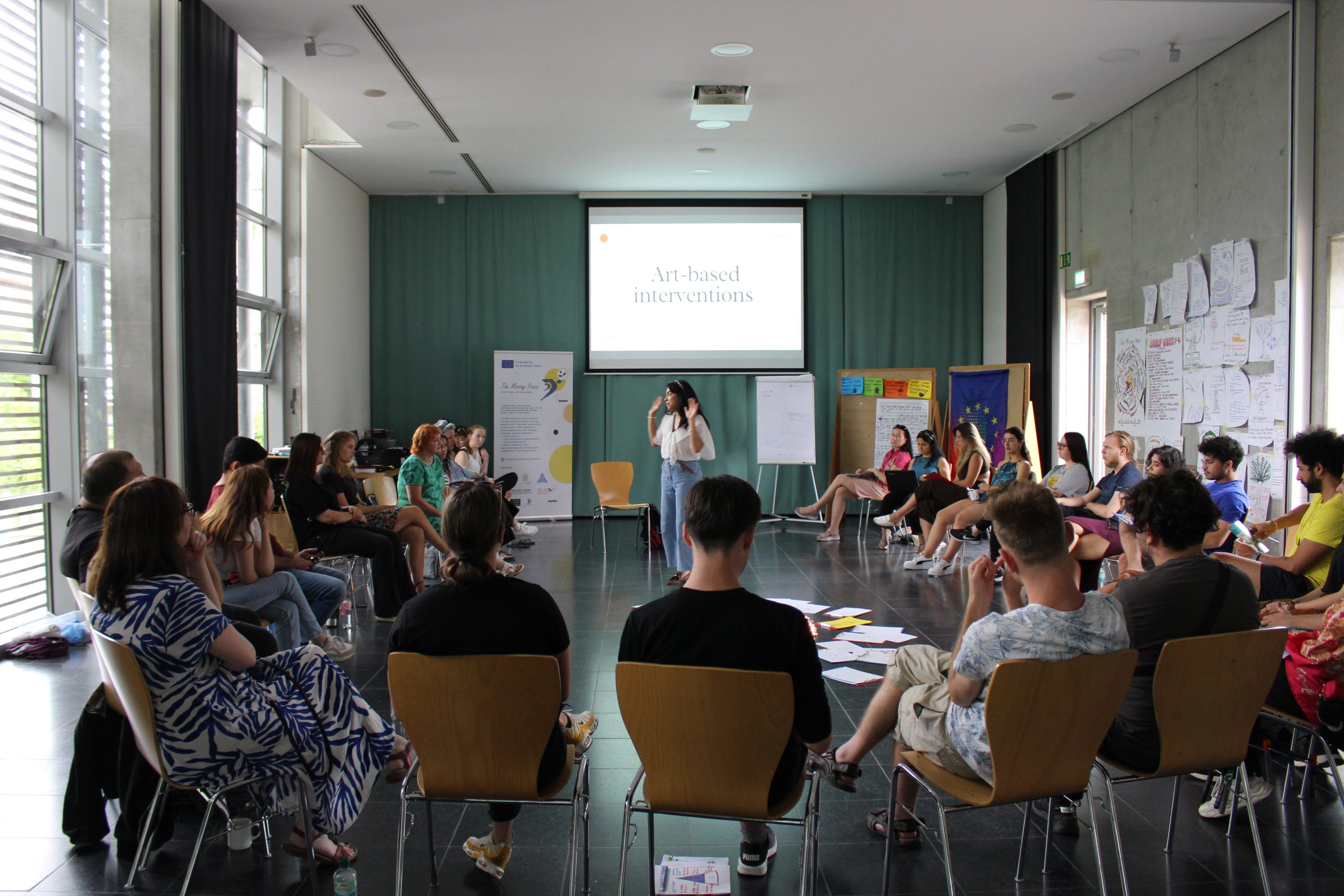
WP5 aimed to maximize the impact of the Missing Piece project by leveraging dissemination, communication, and networking strategies targeted at stakeholders, youth, and broader communities. This WP contributed to the project’s general objective of capacity building and networking while ensuring the project’s results were promoted, exploited, and sustained beyond its duration.
Key objectives included conducting a comprehensive impact evaluation of all project activities, proactively disseminating results through campaigns, multiplier events, and an international conference, and fostering long-term sustainability via a scaling and exploitation strategy. The WP also emphasized promoting the “Actors of Peace and Reconciliation” network by engaging youth and educators in collaborative efforts supported by a Memorandum of Understanding.
Notable outputs included the Scaling Up Strategy, which outlined metrics for evaluating project impacts and provided a roadmap for adopting its methodologies, and the successful organization of six Multiplier Events and an International Conference in Germany. These events showcased project results, including the Youth, Peace, and Reconciliation Toolkit, Cookbook, and educational frameworks, while fostering dialogue and partnerships through interactive workshops, testimonials, and peace walks.
Quantitative outcomes included engaging over 2,000 followers on social media, achieving 5,000+ post views, and reaching 300 stakeholders. The International Conference attracted 50 participants and facilitated 100+ signatures for the Memorandum of Understanding. Additionally, the project fostered the creation of 10 follow-up networks and initiatives, ensuring a sustained impact on peacebuilding practices across Europe.
By integrating robust dissemination strategies and innovative communication tools, WP5 ensured the project’s visibility, scalability, and lasting contribution to youth and peacebuilding sectors.