
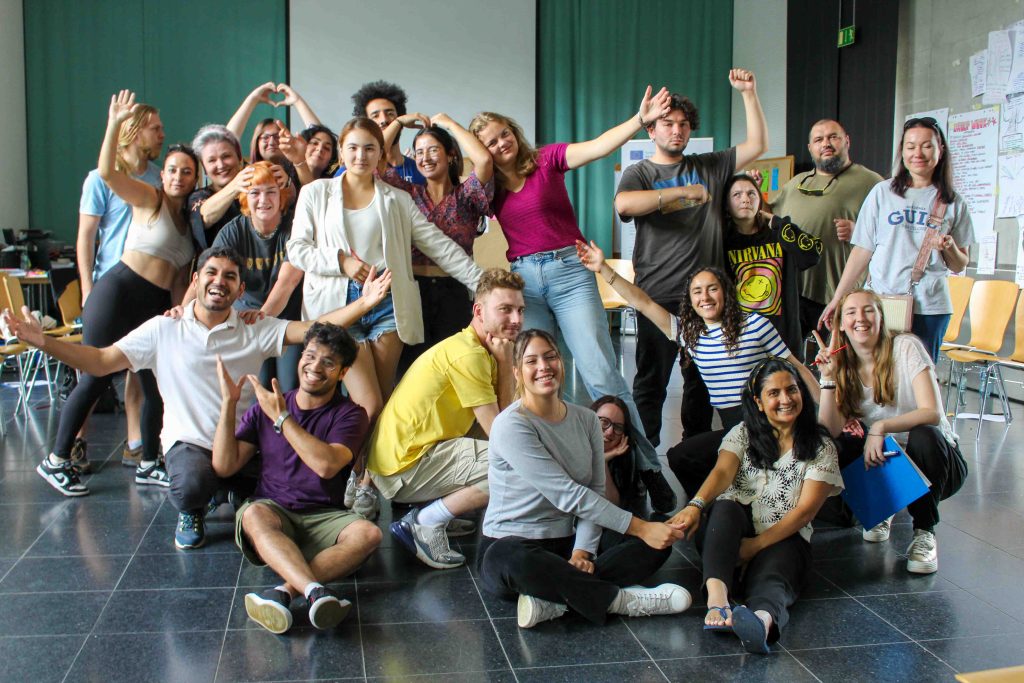
From July 17-24, 2023, The Missing Peace Consortium gathered over 30 youth workers, educators, peacebuilders, and members of Glencree’s All-Island Women’s Peacebuilding Network for a six-day training course titled “Seeds of Reconciliation: Cross-Pollinating Methods for Youth Workers and Peacebuilding Professionals.” Hosted in Weimar, Germany, the programme aimed to deepen the intersection between youth work and peacebuilding by equipping practitioners with practical tools, creative methods, and shared strategies for engaging young people in reconciliation processes.
A Purpose-Driven Training at the Intersection of Youth Work & Peacebuilding
The training course was rooted in the belief that youth workers play a crucial role in shaping more peaceful, cohesive societies. Youth work supports young people’s personal growth, critical thinking, agency, and wellbeing, while peacebuilding addresses the root causes of conflict and supports dialogue, reconciliation, and sustainable coexistence. The programme therefore, positioned youth workers as bridge-builders – professionals capable of creating inclusive, safe learning spaces where young people can explore identity, empathy, and conflict in constructive ways.
Using non-formal education as the core methodology, the course combined simulation, theatre methods, creative practices, small group facilitation, academic inputs, and collaborative co-design.
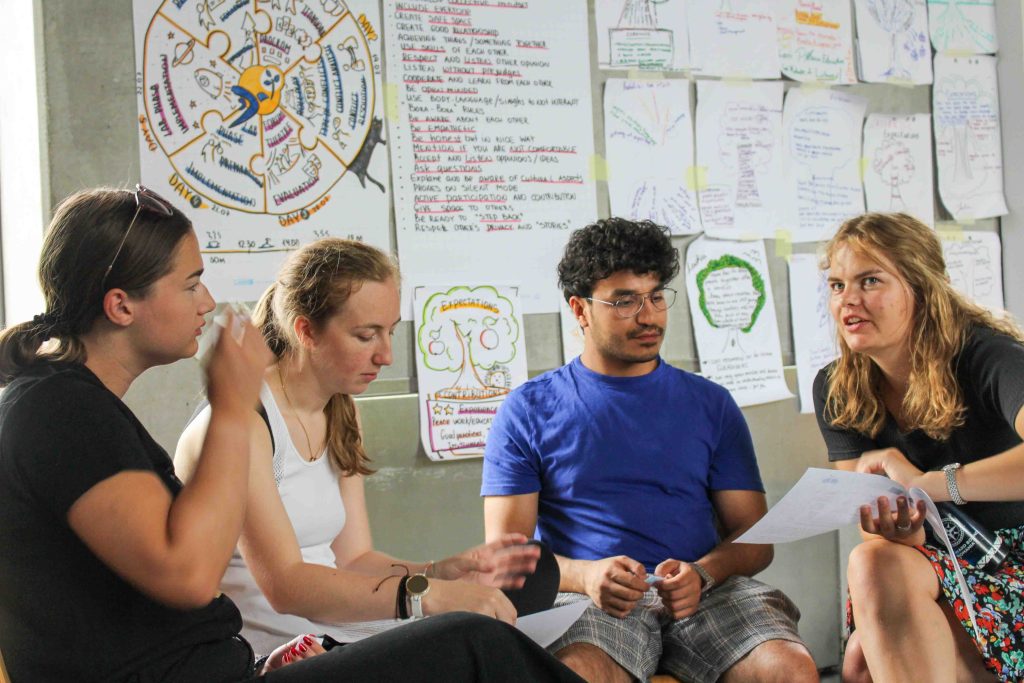
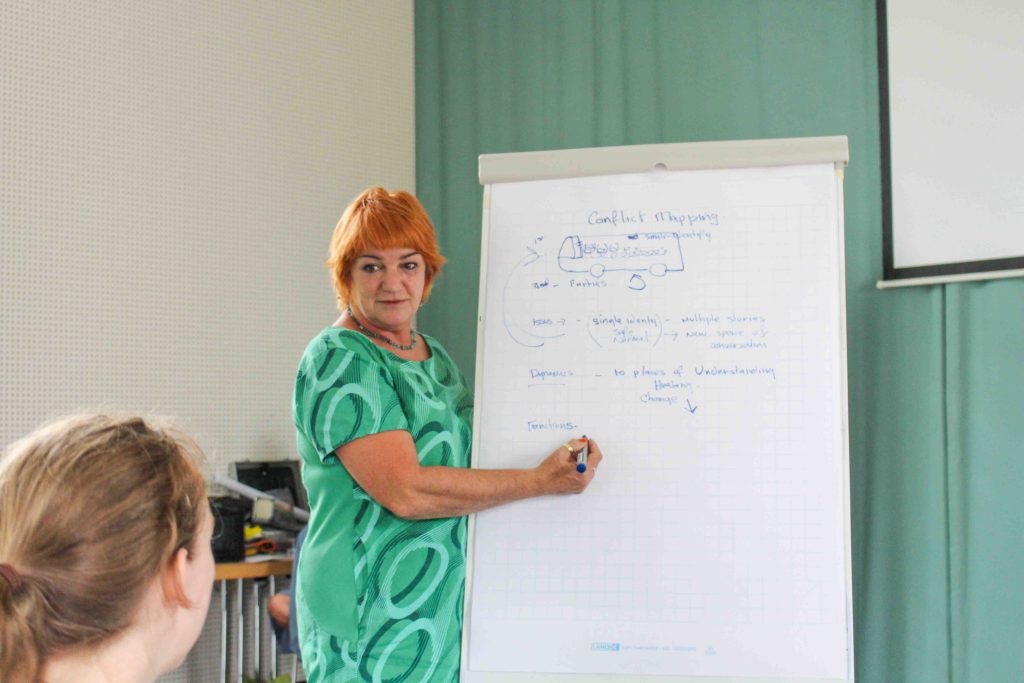


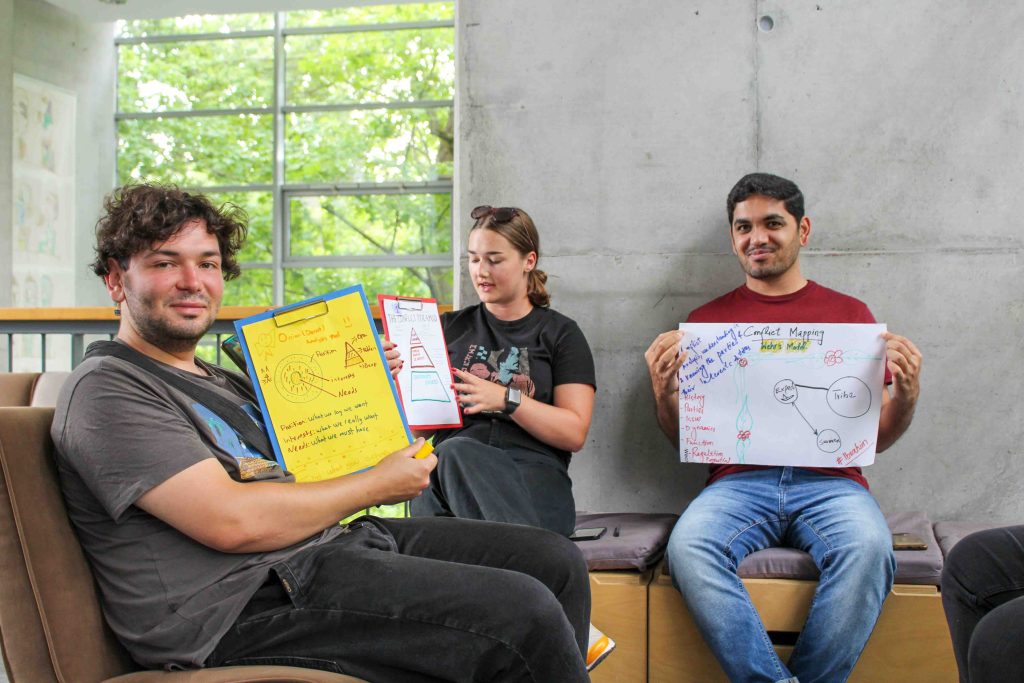

Photos: Robert Nesirky, Maryna Bykova (CGE Erfurt e.V.)
Program Summary
The Seeds of Reconciliation training course in Weimar opened with a strong focus on relationship-building and creating psychological safety.
On Day 1, participants were welcomed into the project context and introduced to one another through a range of creative icebreakers such as My Name and My Shoe, Turkish Bazaar, and Make Your Shield, the latter inviting them to visually express boundaries and values important for engaging in sensitive dialogue. Using the INLAKECH question-exchange game and a collaborative ActionBound treasure hunt, participants bonded quickly, explored the local area, and began understanding the importance of group cohesion for peace work. The day closed with activities centred on teamwork, shared expectations, programme goals, and a “walking gallery” of participants’ good practices, all helping to establish a sense of ownership and collective purpose.
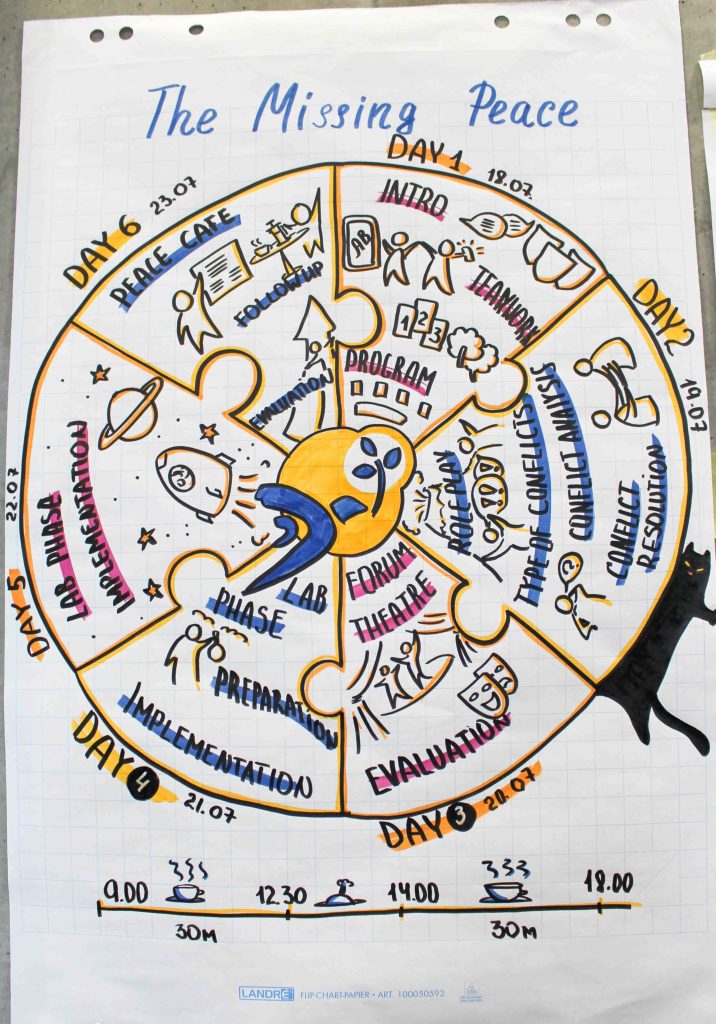
Program poster by Natalia Skorik and Eduard Oganyan
Day 2 shifted from group-building into analytical depth, beginning with the Volcano Eruption role-play simulation. This immersive game confronted participants with conflicting needs, interests, and values, providing a lived experience of negotiation and group tension. Building on this, participants explored the types of conflict and were introduced to a range of conflict analysis frameworks, including conflict mapping, Glasl’s escalation model, the ABC triangle, the onion model, and Lederach’s pyramid – to give them structured tools for understanding conflict dynamics. The day concluded with an expert workshop by Dr. Alejandra Ortiz-Ayala, who brought an academic and practitioner lens to conflict resolution and reconciliation, grounding experiential learning in solid theoretical foundations.
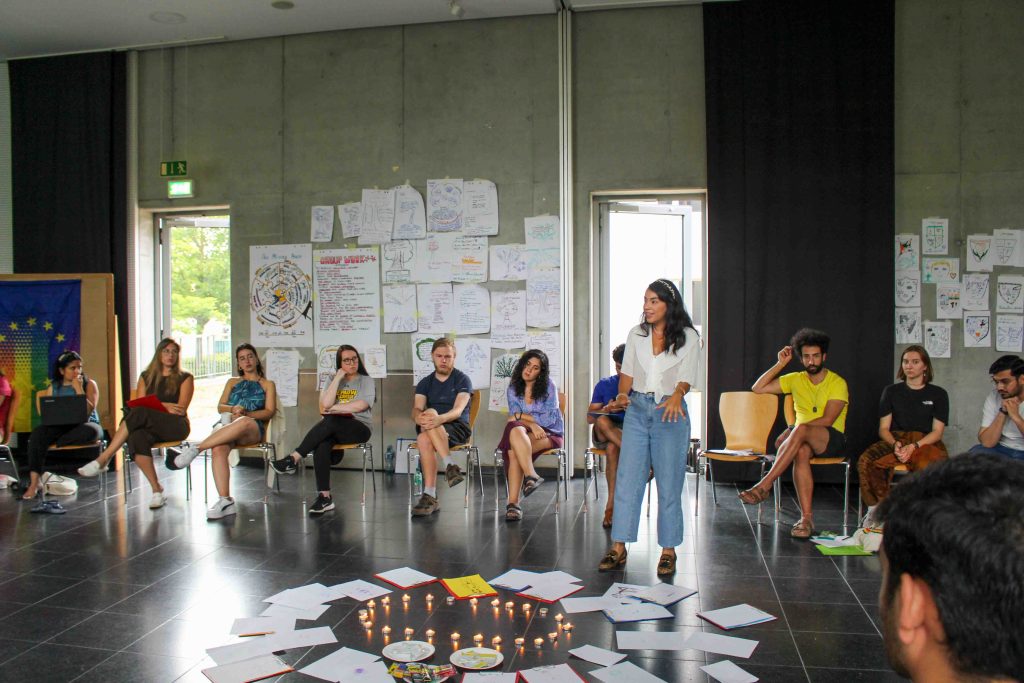


A more detailed descriprion of Dr. Ortiz-Ayala's session on "Kintsugi practice" is available under the tools sections of the e-Library.
On Day 3, the group immersed themselves in Forum Theatre, an approach rooted in Augusto Boal’s Theatre of the Oppressed. The morning introduced creative warm-ups to build improvisation and imagination, preparing participants for emotionally charged work. They then collaboratively developed scenes based on real conflict experiences involving oppression and injustice. These scenes were performed, and “spect-actors” were invited to pause the story and step into the role of the oppressed character, experimenting with alternative responses. This process helped participants deepen their understanding of agency, power dynamics, and collective problem-solving in conflict situations. A meta-evaluation at the end of the day allowed them to critically reflect on Forum Theatre as a tool for non-formal peace education.
Days 4 to 6 formed the practice laboratory phase of the programme, during which participants designed, facilitated, and refined original peacebuilding workshops. After identifying shared interests, they created seven workshop concepts addressing key themes:

Group 1 – Human Connection as Peacebuilding
Exploring personal, relational, community and global interconnectedness.
Group 2 – Communication Train
Experiential activities on miscommunication, misunderstandings, and relationship repair.
Group 3 – Changing Perceptions in Diverse Classrooms
Tools for young people (10–14) to explore differences and similarities.
Group 4 – Migration & Human Rights
Understanding asylum rights, inequality, and policy impacts.
Group 5 – Fighting for Equality
Exploring sexism, gender identity, cultural norms, and harmful practices like FGM.
Group 6 – Conflict Management Escape Room
Experiential learning around open-mindedness, listening, and negotiation.
Group 7 – Law for Sustainable Peace
Introducing the Declaration of Peace and Cessation of War (HWPL) and legal approaches to conflict.
They piloted each workshop with peers, received and integrated feedback, and reflected collectively on learning experiences. The final day also included structured planning for follow-up actions, forming of mentoring groups, and a closing evaluation circle, ensuring that learning would carry forward into further Toolkit development and local peace initiatives across partner countries.
Sustaining the Momentum
The programme closed with reflection, planning, and dissemination activities. Participants identified follow-up activities, joined mentoring groups, and were informed and invited to the Transnational Bridge Programme.


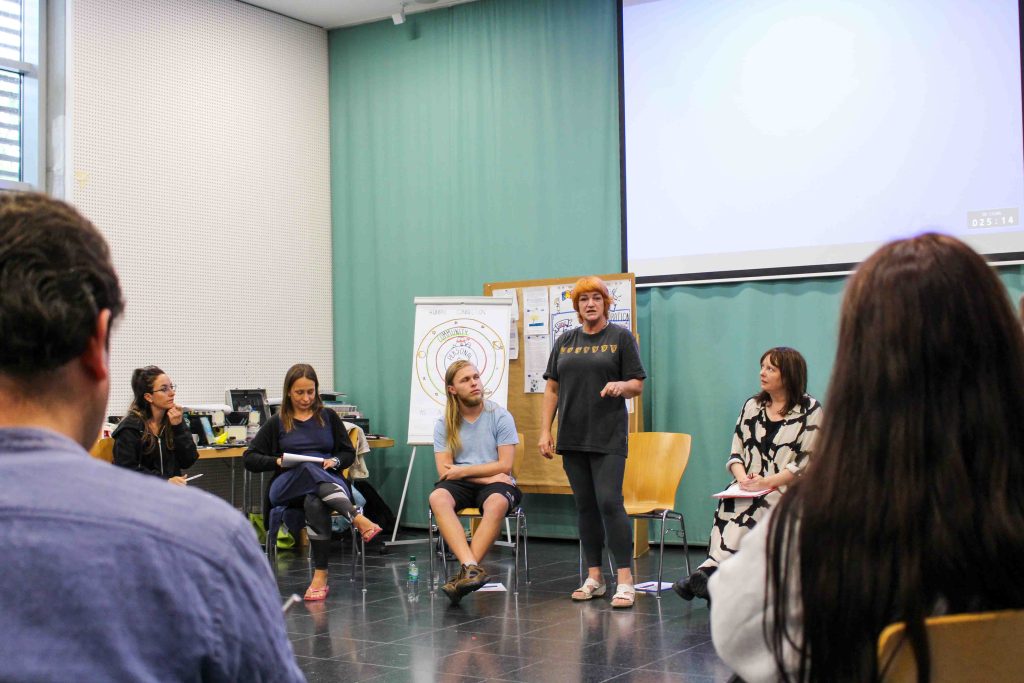

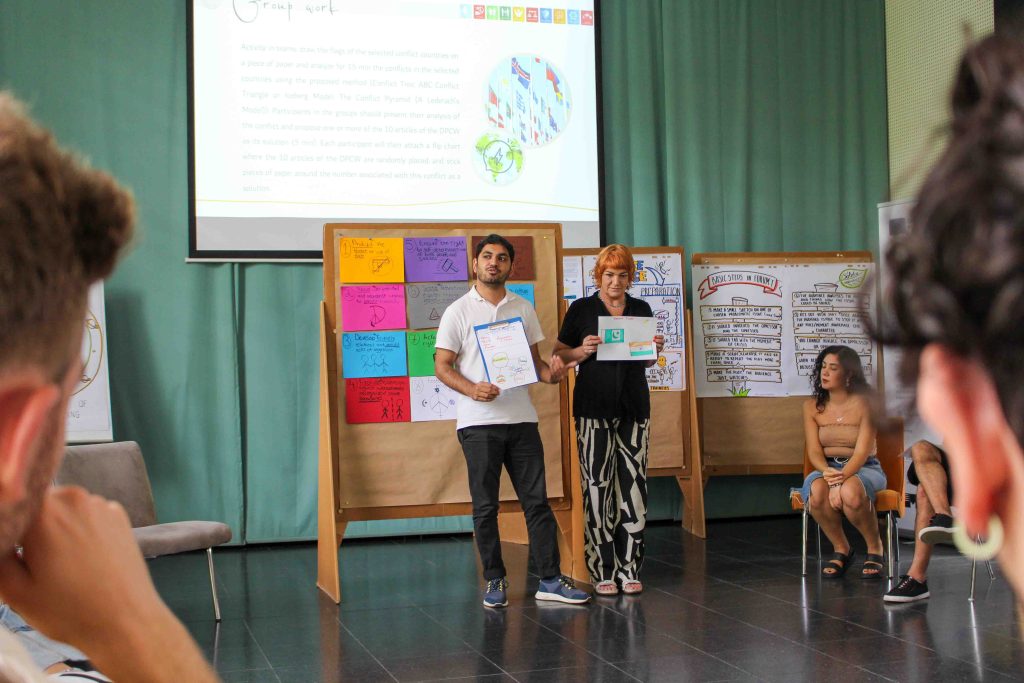

Photos by Maryna Bykova (CGE Erfurt e.V.)
What Participants Learned: Evaluation Insights
The evaluation responses from the training demonstrate very high achievement across all learning objectives and confirm the deep impact of the six-day experience.
Key findings include:
- Overall Learning Environment & Pedagogical Approach
The training course successfully created a safe, empowering, and participatory learning environment, which was repeatedly reflected in both participant behaviour and evaluation responses. Through creative icebreakers, shared reflection spaces, and daily group processes, the environment encouraged openness, vulnerability, and connection. Tools like Make Your Shield, INLAKECH, and the ActionBound treasure hunt helped participants form trust early on – a prerequisite for exploring sensitive topics like identity, conflict, and power. This intentional scaffolding laid the foundation for an atmosphere in which deep interpersonal learning and authentic dialogue were possible.
- Relevance and Depth of Content
The course offered a strong balance between experiential, practical, and theoretical inputs.
Participants engaged with serious conflict literacy tools such as:
- conflict analysis frameworks (Glasl, Lederach, ABC, Conflict Tree),
- conflict types and escalation pathways,
- role-play simulations illustrating negotiation and competing needs,
- and a full-day exploration of Forum Theatre as a conflict transformation methodology.

Evaluations show that participants appreciated this balance, noting that the programme did not limit itself to abstract theory but provide hands-on tools they could immediately apply in youth work or community settings.
Multiple attendees explicitly mentioned gaining:
- a clearer understanding of conflict dynamics,
- concrete facilitation tools for non-formal peace education,
- and confidence to analyse and intervene in conflict situations.
This indicates that the training did not simply transmit knowledge — it cultivated practical competence.
- Experiential Learning as Transformation
One of the strongest aspects of the training was its experiential nature, particularly through:
- the Volcano Eruption simulation,
- Forum Theatre preparations and spect-actor interventions,
- creative warm-up exercises,
- and the practice lab workshops.
Participants consistently described these methods as “eye-opening,” “emotionally powerful,” and “practically useful.”
Forum Theatre had a particularly strong emotional impact: participants felt it helped them understand oppression not only intellectually, but somatically — through embodiment, improvisation, and role reversal. This contributed to an increased sense of empathy, which aligns with peacebuilding outcomes.
- Quality of Facilitation & Group Dynamics
Facilitators provided clear structure, emotional containment, and accessible explanations of complex concepts. The trainers’ ability to switch between academic content, embodied exercises, and creative tools was highlighted as a key strength. Participants noted that the group dynamic became “collaborative,” “supportive,” and “non-judgmental,” which contributed to high engagement.
The four consortium organisations present also reinforced the sense of diversity and legitimacy of the training, offering different cultural perspectives and professional experiences.
- Participant Leadership & Co-Creation
A major innovation of this training was the practice laboratory, where participants co-designed and piloted peacebuilding workshops.
The resulting seven workshops demonstrate creativity, thematic relevance, and a clear understanding of youth needs:
- building human connection,
- strengthening communication,
- shifting perceptions in schools,
- linking migration with conflict,
- addressing sexism and gender-based violence,
- gamified conflict management,
- and using legal frameworks for peace advocacy.
Co-creation empowered participants to become knowledge producers rather than passive learners. Evaluations highlight that this phase increased motivation, ownership of learning, and competence in designing youth-oriented peace interventions.
- Emotional & Personal Growth
The evaluation reveals consistent themes of personal transformation, including:
- increased self-awareness,
- greater comfort discussing sensitive issues,
- confidence to intervene in conflict situations,
- a strengthened sense of agency,
- improved communication and listening skills,
- deeper empathy for others’ lived experiences.
Participants also emphasised that the programme helped them reflect on their own identities, biases, emotional responses, and assumptions—all of which are foundational aspects of peacebuilding.
- Intercultural Dialogue & Relationship Building
With participants from at least six European countries, the training naturally fostered rich intercultural exchange.
Through structured dialogue, co-facilitation, and collaborative workshop creation, participants discovered both differences and shared experiences related to conflict, community, and identity.
Many evaluations noted:
- feeling “connected,”
- forming friendships across cultural boundaries,
- gaining insight into other countries’ conflict contexts,
- and recognising the universality of certain peacebuilding challenges.
This demonstrates that the course enhanced intercultural competence, which is a core objective of The Missing Peace project.
- Commitment to Follow-Up and Long-Term Impact
A notable strength in the evaluations is the high level of motivation for follow-up engagement.
Most participants expressed interest in:
- further training opportunities (e.g., Weimar follow-up course),
- continuing development of the Toolkit,
- running their own workshops locally,
- joining the emerging mentoring structures.
This indicates a strong potential for sustained impact beyond the training week, demonstrating the programme’s success in activating participants rather than simply informing them.
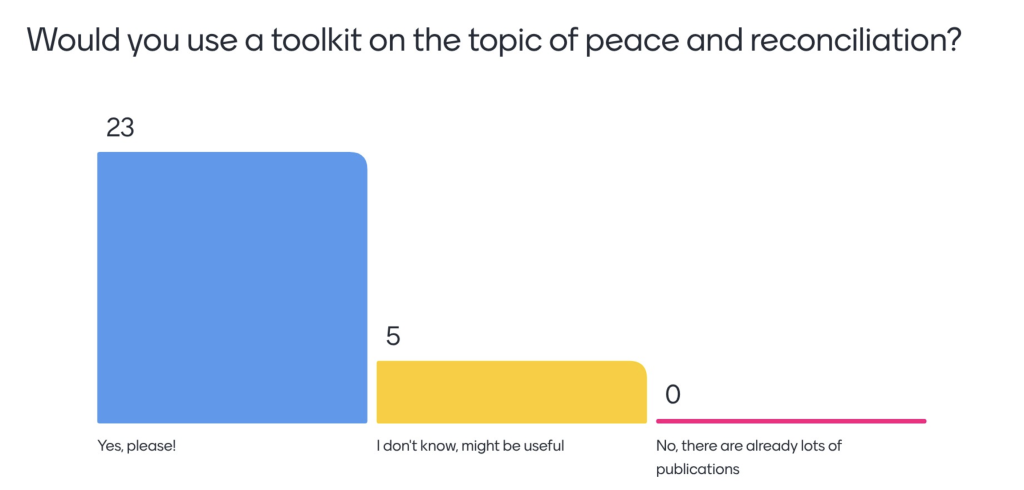
We are also happy to put together learnings from both the youth exchange and the training course into the hands-on Educational Pack.
⭐ Conclusion
The Seeds of Reconciliation Training Course was highly successful, effectively meeting its objectives while generating outcomes far beyond minimal expectations. The training created a transformative learning space where youth workers and peace practitioners could deepen their conflict literacy, experiment with innovative methods, and co-create practical tools with real-world applicability.
Participants left the course with:
- strengthened knowledge,
- practical skills,
- emotional resilience,
- intercultural understanding,
- and motivation to implement peacebuilding actions in their communities.
The rich qualitative feedback confirms that this was more than a training – it was a catalyst for personal, professional, and communal transformation, fully aligned with the ambitions of the Missing Peace project.
“The Missing Peace” project is co-funded by the European Union through the Erasmus+ Program (Pr. Nr.: KA220-YOU-055CD22D).

Reference:
- The Missing Peace – Training Course & Lad in Weimar (Germany). Evaluation form.
- Glencree Centre for Peace and Reconciliation. Blogpost: The Missing Peace Consortium – Youth Exchange, Lithuania (link).